


The Amazon Rainforest is the largest tropical rainforest on Earth, spanning over 5.5 million square kilometers across nine countries in South America.
Known as the “lung of the planet,” it plays a vital role in regulating the global climate by absorbing massive amounts of carbon dioxide and producing oxygen.
This lush, vibrant ecosystem is not only crucial for the environment but also home to millions of species and indigenous communities who have lived in harmony with the forest for centuries.

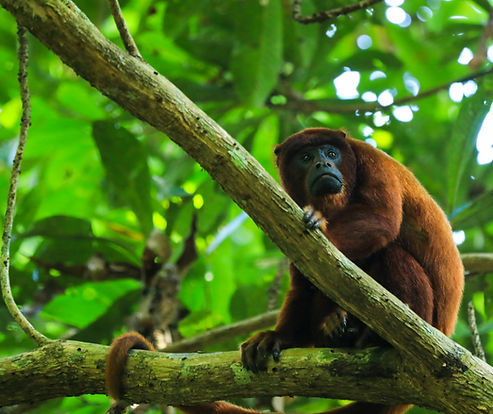
The Amazon is one of the most biodiverse regions in the world. It harbors an estimated 10% of all known species on Earth, including iconic animals like jaguars, sloths, pink river dolphins, and thousands of bird, amphibian, and insect species.
The forest is also rich in plant life, with over 16,000 tree species and countless medicinal plants that are still being discovered. This unmatched diversity makes the Amazon a living laboratory and a global treasure.
And it is in this biodiversity that the fertile ground was created for the power plants and medicines used by indigenous peoples.
Beyond its natural wealth, the Amazon is home to over 400 Indigenous groups, many of whom maintain traditional ways of life deeply connected to the forest.
These communities possess valuable ancestral knowledge about sustainable living and natural medicine. Their cultures and languages are as endangered as the forest itself, making their protection an essential part of Amazon conservation efforts.
The people don't just live in the forest; the Shanenawas are the Amazon. And they live in perfect balance with the animals and all the diversity of plants that live here.


The Amazon Rainforest, one of the planet’s most vital ecological systems, is increasingly threatened by deforestation, illegal mining, forest fires, and climate change. These pressures have accelerated in recent decades, driven largely by unsustainable land use and extractive industries. As the forest loses its capacity to regulate climate, preserve biodiversity, and sustain traditional cultures, the urgency to act becomes ever more critical.
In this context, sustainable tourism emerges as a powerful tool—not only for generating income and employment for local and Indigenous communities, but also for raising global awareness about the value of the Amazon. Unlike extractive activities, responsible ecotourism supports forest conservation by investing in preservation, education, and cultural respect.
Visiting the Amazon is more than a travel experience—it's an opportunity to engage directly with one of the world’s last great wildernesses, witness its diversity, and support the people who defend it. By choosing sustainable travel, tourists can help shift the economic logic of the region away from exploitation toward long-term environmental stewardship.
The future of the Amazon depends on inclusive, informed, and ethical engagement—and tourism can be a key part of that solution.
The Amazon Rainforest is not only a natural wonder — it is a living system essential to the health of our planet. Its conservation is a shared global responsibility, and one of the most effective ways individuals can contribute is by engaging in sustainable tourism.
In recent years, tourism has emerged as a powerful ally in conservation efforts. When done responsibly, it provides an alternative to destructive industries such as illegal logging, mining, and large-scale deforestation.
By supporting local and Indigenous tourism initiatives, you help generate income that stays in the village, funds environmental protection, and strengthens community resilience.

Sustainable tourism goes beyond sightseeing. It’s about connecting with nature, learning from traditional knowledge, and understanding the delicate balance that keeps the forest alive. Whether navigating rivers or going to the healing ceremonies, you can become part of a larger movement to protect one of the Earth's most precious ecosystems.
Choosing travel to Amazon means respecting local cultures, minimizing waste, reducing carbon footprints, and choosing operators committed to conservation. You have the power to become part of the rainforest simply by experiencing it with care and purpose.
Visiting the Amazon is not just about exploring a remote rainforest — it’s about discovering how deeply connected you are to it. The Amazon influences global climate, helps regulate rainfall, and stores billions of tons of carbon that protect the planet from climate extremes. By choosing to experience the forest firsthand through sustainable tourism, you’re not only witnessing one of the most biodiverse places on Earth — you’re actively supporting its protection. Every responsible visit contributes to conservation efforts, empowers local communities, and reinforces the idea that the Amazon’s future is a shared responsibility — one that begins with awareness and transforms through action.